Biblical
Highway
Where you can travel 4000 years in just for hours visiting the 7 biblical cities. Strap on your seatbelt for the most amazing journey.


Shechem

The Tomb of Joseph
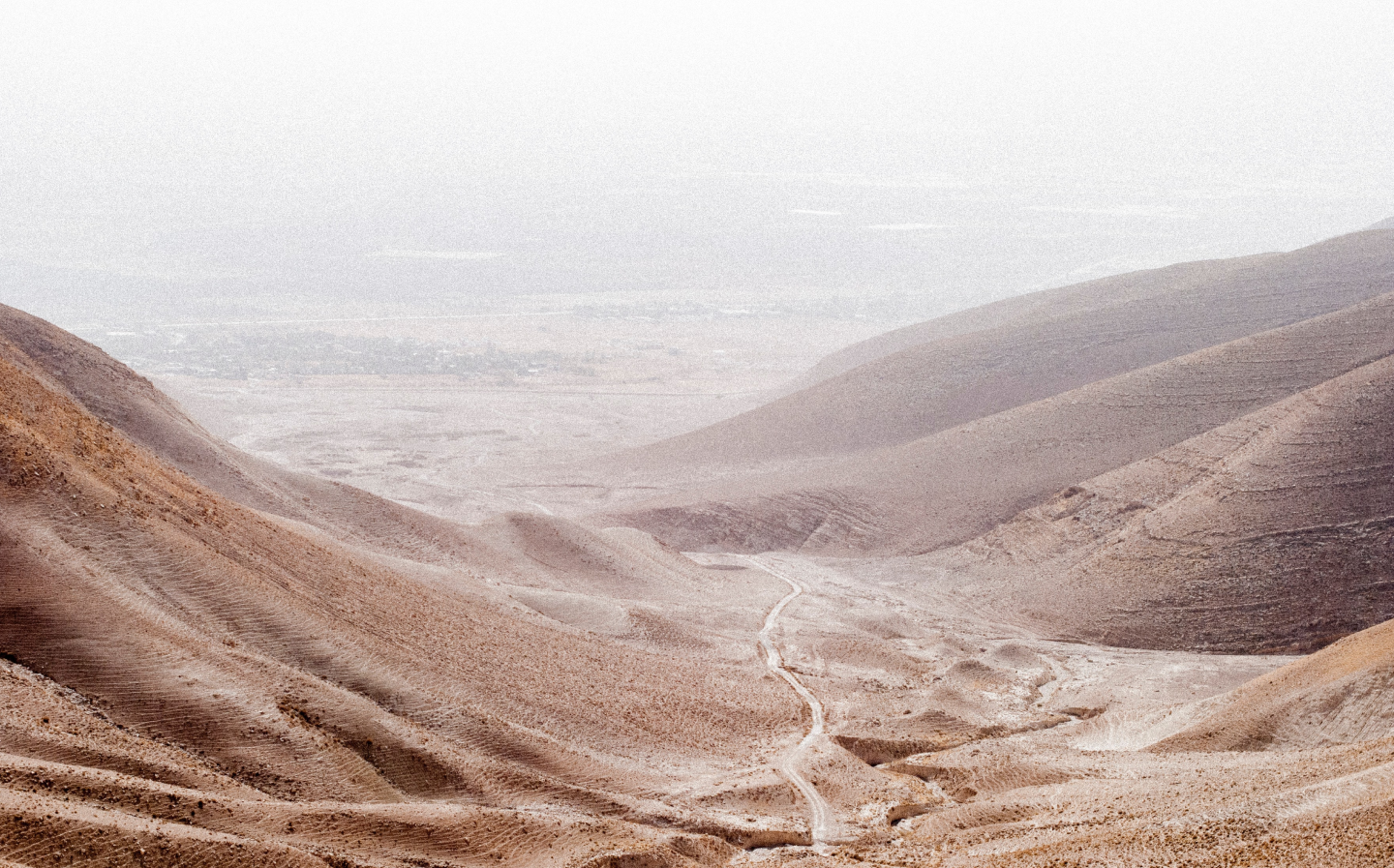
Jacob and his family lived in Shechem as described in Bereishit/Genesis - he purchased the land, one of the three cities in the Bible where specific monetary transactions for land is recorded (the other two are the Tomb of Patrirachs and Matriarchs - the “Machepla” in Hebron and Mount Moriah - where the Temple Mount was to be built in Jerusalem).The land was allocated as a tribal inheritance to the sons of Joseph, who buried their legendary father in a tomb which has been burned down multiple times by local Arabs but continues to be a spiritual pilgrimage site until today. The Torah describes the dramatic blessing of the Jewish people INSERT SOURCE as taking place in Shechem, with the mountain of blessing (Mount Grizim) and the mountain of curses (Mount Eval) on either side. Joshua’s Altar is located on the slopes of Mount Evbal overlooking Palestinian Authority-controlled Shechem. Renamed Neopolis by the Romans and then Nablus by the Muslims, the modern city has a population of about 214,000 and is home to the Palestinian Authority stock-exchange.
Shiloh
A Tabernacle of Love
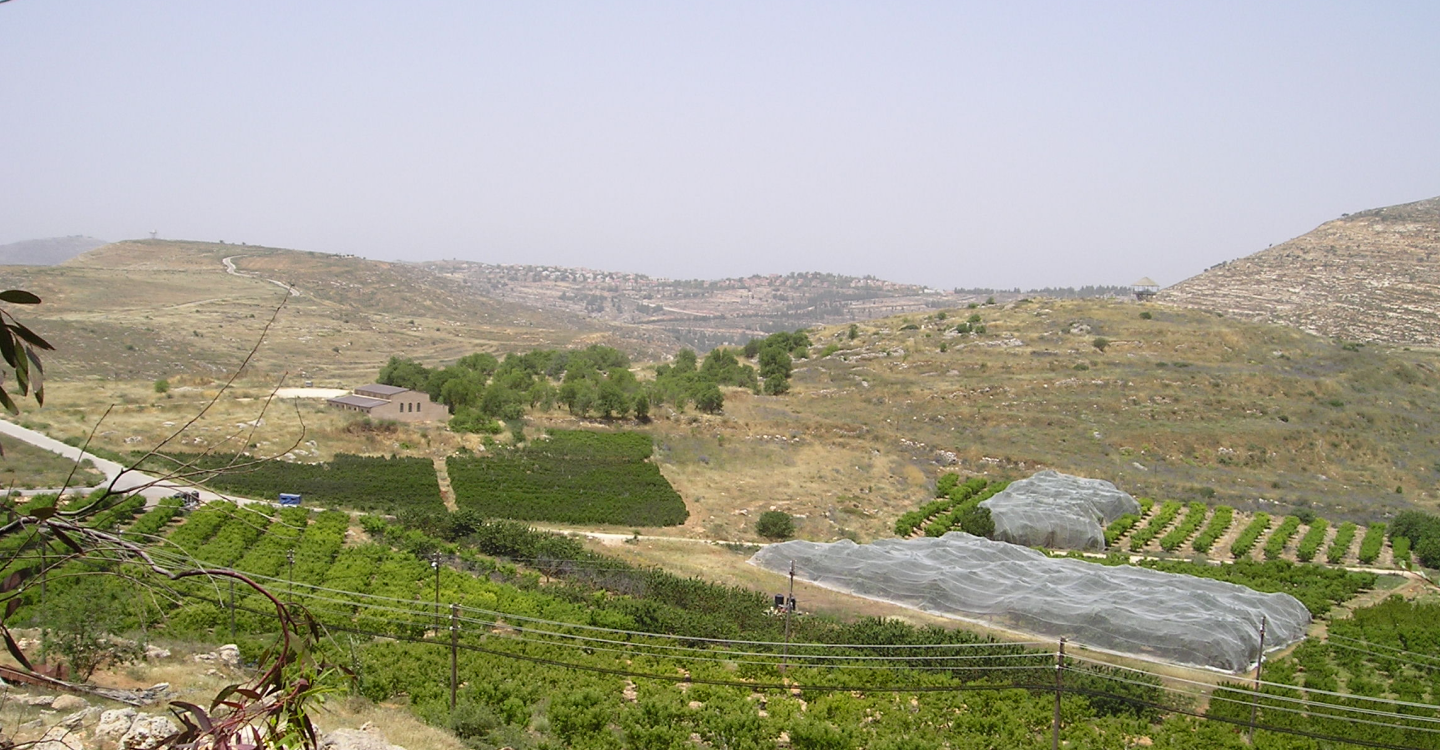
Shilo was the site of the Biblical miskhan/tabernacle, the center of Jewish religious worship until the building of the Temple, and its ruins have been positively identified and now feature a visitor’s center. Shilo features prominently in the Book of Shmuel/Samuel as the home of the mishkan, where a childless woman named Hannah comes to pray for a son who she vows to dedicate to the service of G-d. Her prayer serves as a model for Jewish prayer until today, and her son Samuel, who was raised in Shilo by the high priest Eli, becomes the prophet who anointed the first King of Israel, King Saul, and then the legendary King David. Modern Shilo was officially re-established in 1979 and today has a population of 4,350. It is home to the Mateh Binyamin Regional Council, the representative body for the whole southern Samaria region.
Bethel
A Ladder Connects Heaven and Earth
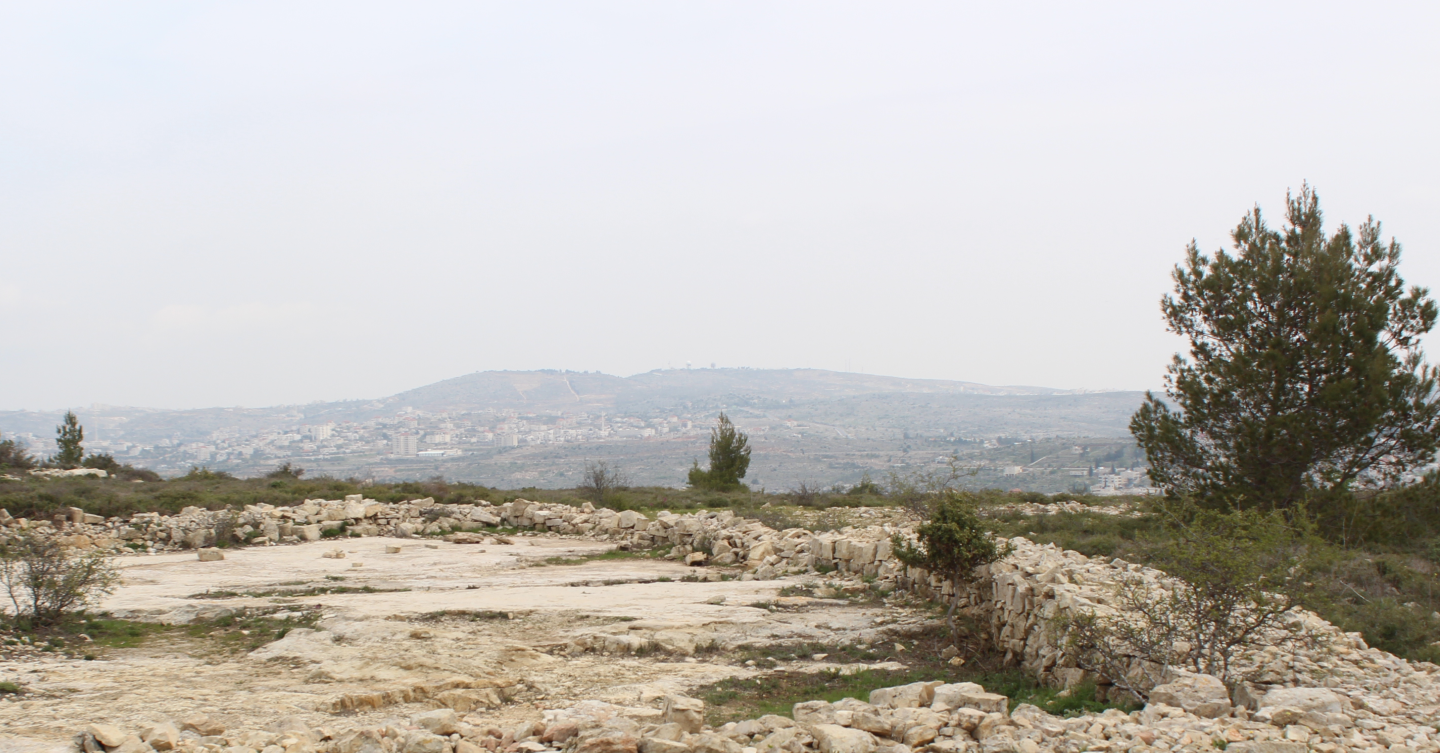
Beit El is the site at which the Torah records the biblical Jacob dreaming of a ladder of ascending and descending angels. God commands Jacob to build an altar in Beit El INSERT SOURCE and names him Israel. Today, an ancient tomb and other archeological remains are located in Beit El, including the location that is believed to be the location of the dream. The modern community of Beit El was founded in 1977 and has a population of 6,500. The city is home to the Beit El yeshivas, several celebrated religious Zionist rabbis, Arutz Sheva, and a well-known tefillin factory, Tefillin Beit El.
Jerusalem
Center of the Universe
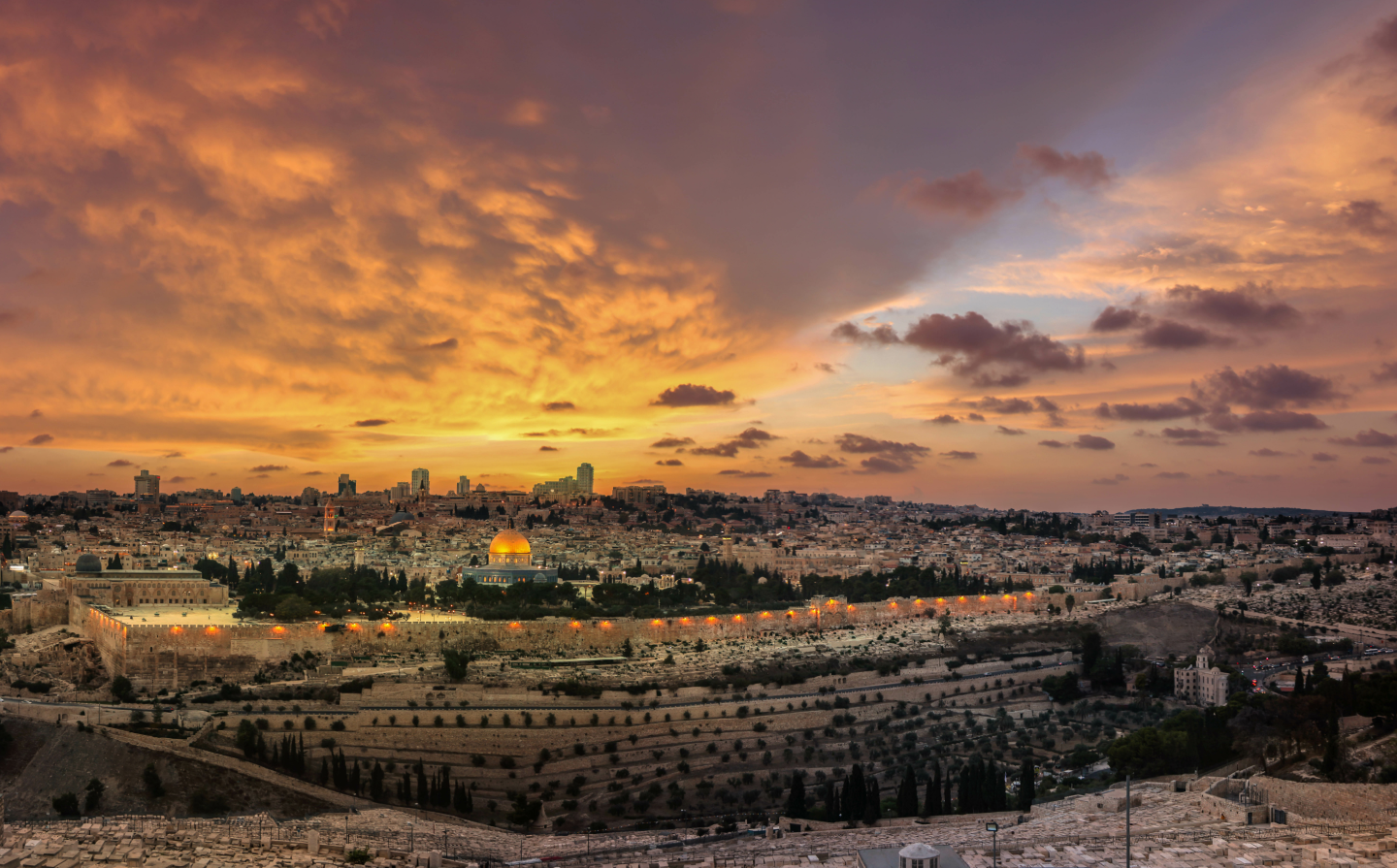
Jerusalem is the national and spiritual capital of Israel, the capital city of King David and celebrated home to the Holy Temples. The site’s beauty and importance abound throughout Judaism’s sacred texts, and the city has inspired art, music and literature throughout history. At the heart of Jerusalem lies the Temple Mount, the holiest and most venerated site in Judaism where the First Temple of King Solomon and later the Second Temple built of King Herod the Great drew pilgrims from throughout the Land of Israel and beyond. The Western Wall, last vestige of the temples, still stands today and is Israel’s most visited tourist destination. From 1948 to 1967 the city was divided, with the Hashemite Kingdom of Jordan occupying the eastern half, including the Old City with the Western Wall and Temple Mount, making them inaccessible to Jews. Today's modern city is Israel's largest in size and population, with about 944,000 residents. It is home to hundreds of synagogues and yeshivot attesting to its Jewish character, as well as Hebrew University, the Israel Museum, Teddy Stadium and a wide array of cultural institutions. Christian and Muslim attractions can also be found in Jerusalem. The seat of the Israeli government including the Knesset and Supreme Court are located in the city, as well as Israel’s government ministries.
Bethlehem
Birthplace of King David
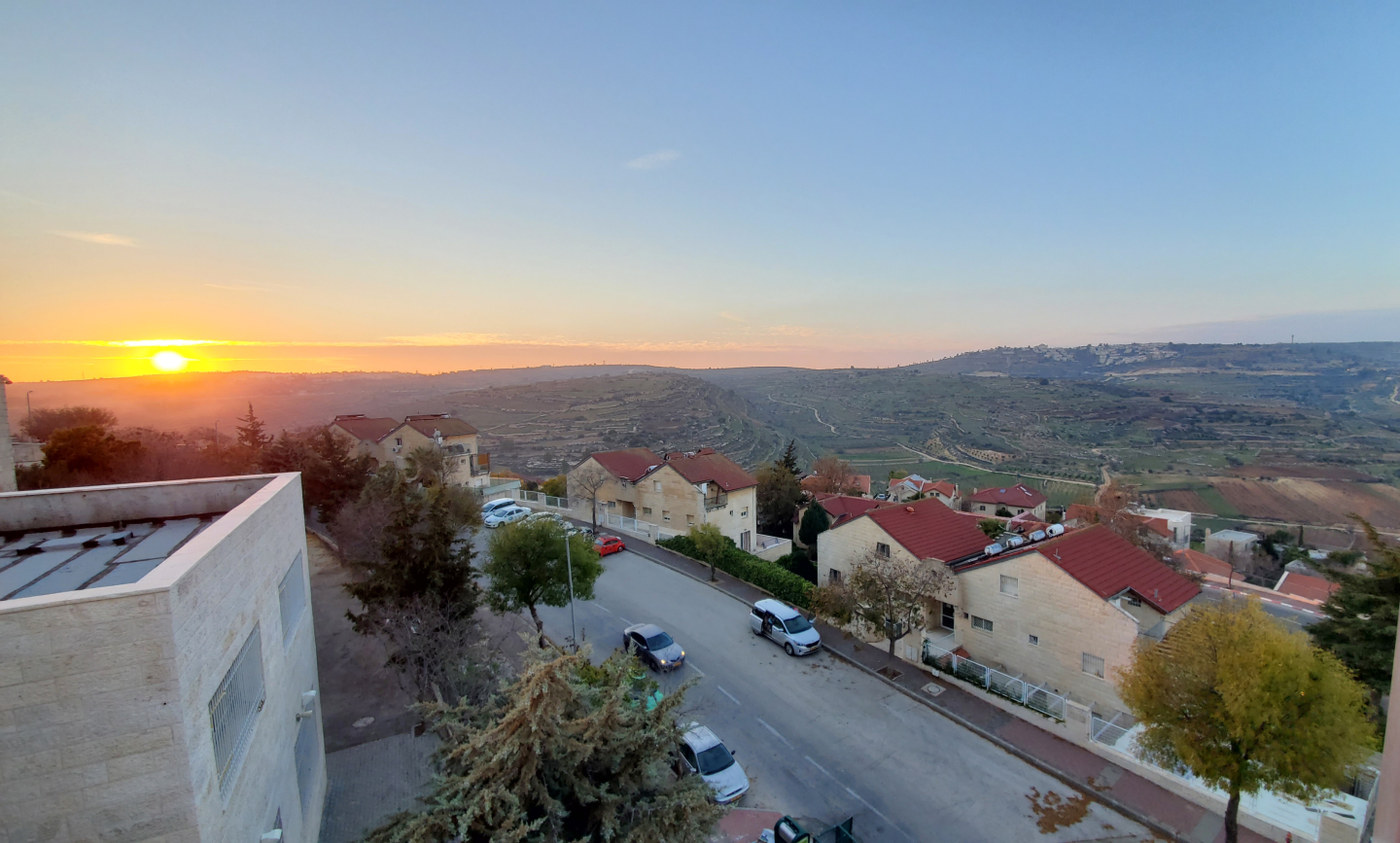
Bethlehem earns its fame in the Bible as the burial place of the matriarch Rachel, wife of Jacob. Bethlehem is also the setting for the Book of Ruth, and is often referred to as Efrat/Efrata in the Bible. Modern Efrat is the largest town in the Gush Etzion region with over 10,000 residents. The nearby modern city of Bethlehem has a population of about 30,000 and is under the jurisdiction of the Palestinian Authority. Famous landmarks in the history of Christianity are located in the city, attracting many tourists. Today, Rachel's Tomb is visited by countless people as a source of inspiration and spirituality.
Hebron
Home of the Forefathers and Mothers
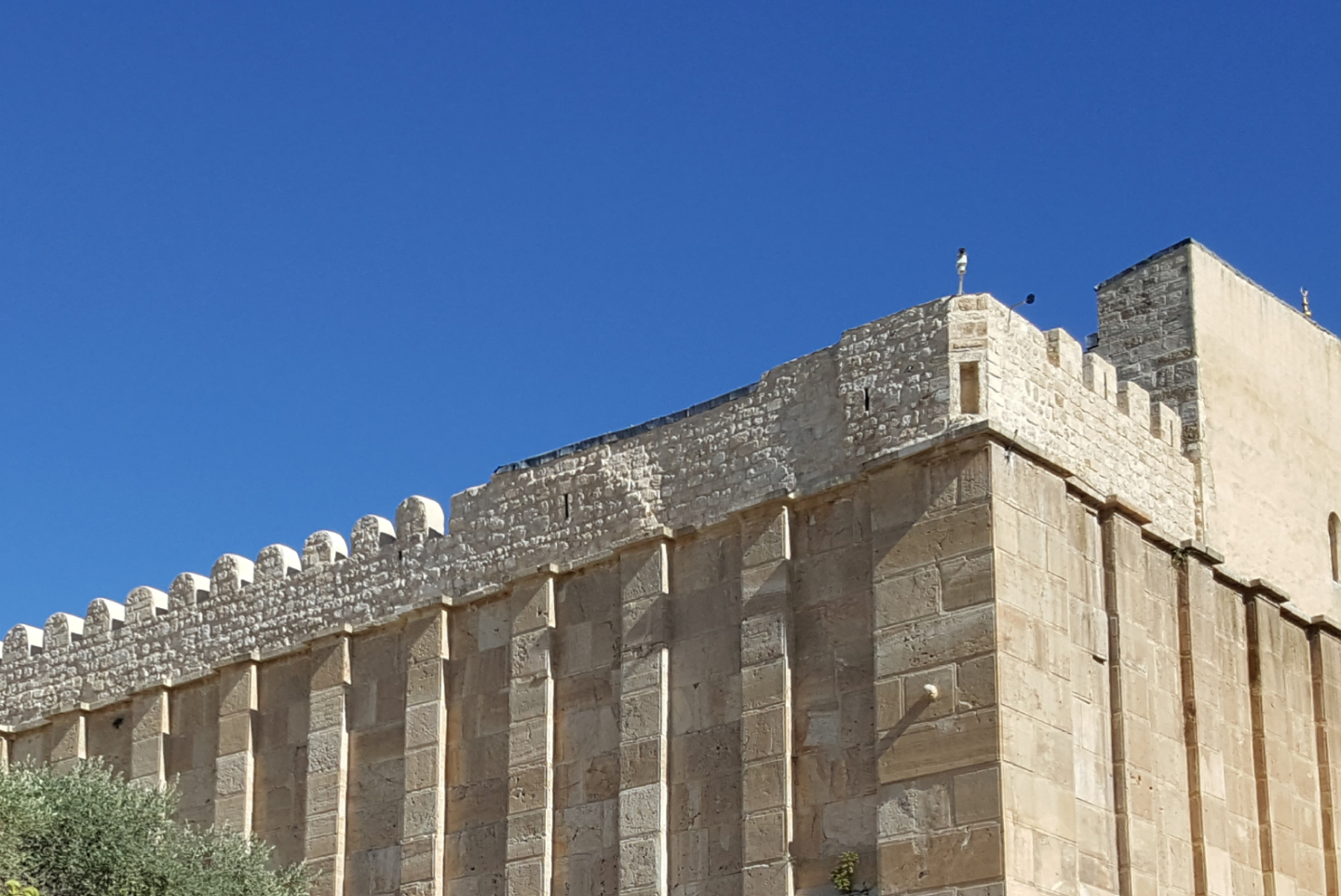
The patriarch Abraham and the matriarch Sarah made their home and started the first Jewish family in Hebron, and many of the stories of the famous pair occurred while they dwelled here. Abraham ultimately purchased Hebron’s Cave of Machpela and its surrounding fields as a burial plot foro Sarah for 400 silver shekels, making Hebron the first Jewish land-purchase and the first Jewish cemetery. Abraham himself was later buried here - and then the remainder of the founders of the Jewish people: Isaac, Rebecca, Jacob and Leah. Fourteen generations later, King David's made Hebron his capital city for seven years before relocating to Jerusalem. Several historical events happened to David in Hebron, including the births of several of his children. His chief general Avner Ben Ner was buried in Hebron and his tomb continues to be a pilgrimage site until today. Today, the Tomb of the Patriarchs and Matriarchs is one of the top tourist destinations in Israel. Over the generations, Hebron became a center for Jewish spirituality and Torah scholarship. Today, the Palestinian Authority-controlled part of Hebron is the wealthiest and most industrialized city in the region with over 215,000 residents. The Israeli side, together with sister city Kiryat Arba, has a population of about 10,000. The tomb complex is visited by more than a million tourists annually.
Be'er Sheva
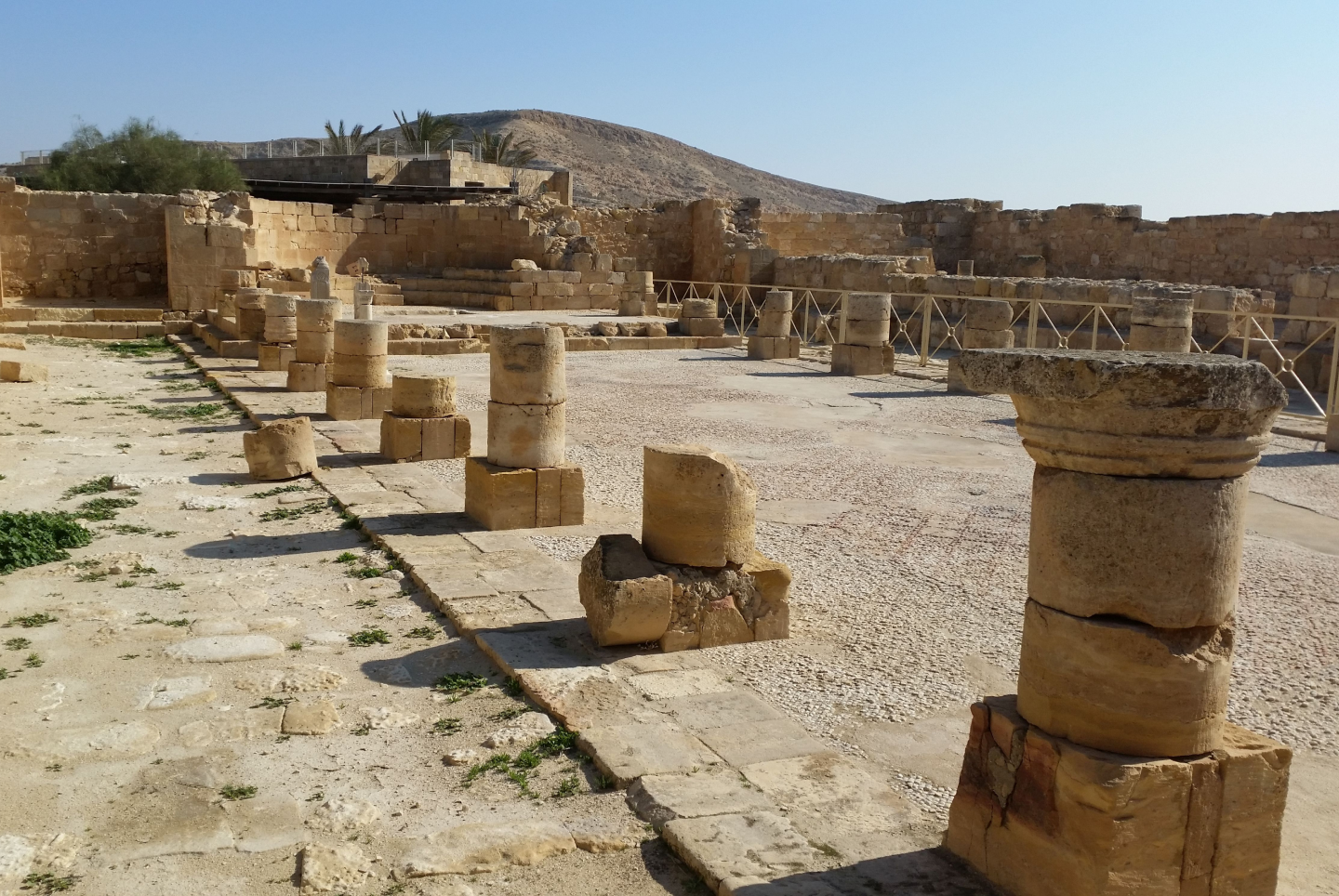
Biblical patriarchs Abraham, Isaac and Jacob each had a relationship with Beersheva. Bereishit/Genesis 21:33 states, "and Abraham planted a tamarisk tree in Beersheba, and called there on the name of the L-rd the Everlasting G-d." This was the beginning of the Jewish people's relationship with Hashem and their connection to the Land of Israel. The Torah records that Abraham dug wells in Beersheva which were then stopped up by the Philistines, only to be redug later by Abraham’s son, Isaac. Jacob was blessed by G-d in Beersheva before leaving for Egypt to join his long-lost son, Joseph. In the modern era, Beersheva was liberated from Turkey during World War I by British, Australian, and New Zealander troops, and then ultimately liberated from the British in 1948 by the fledgling State of Israel. Today, Abraham’s Well is a historical site preserved by an archaeological museum in the modern, rebuilt city of Beersheva. Modern Beersheva was built by immigrants from over 70 countries and has a population of 220,000, the largest city in the Negev, Israel's 2nd largest in area and 8th largest in population. Beersheva is home to Ben-Gurion University of the Negev, IDF cyber units and operational bases, and a burgeoning high-tech industry.
Adopt the
Biblical Highway
Help us preserve this sacred history by joining the Biblical Highway movement.
Your support matters greatly in safeguarding this endangered legacy. Whether you contribute your time or financial resources, every contribution, no matter how small, makes a significant impact. Together, we can turn our vision of preserving Israel's Biblical Highway into a tangible reality.